In early December 2025, India’s largest airline, IndiGo, faced its worst operational crisis, cancelling over 1,000 flights in a single day and grounding nearly all departures from major hubs like Delhi, Mumbai, Bengaluru, and Hyderabad. Terminals were packed with stranded passengers, last-minute fares on other airlines skyrocketed, and the government had to step in to cap prices and order swift refunds.
The Trigger: New Pilot Duty Rules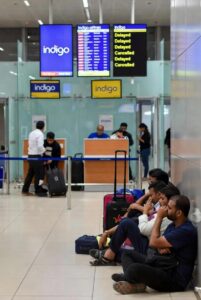
The root cause was the enforcement of revised Flight Duty Time Limitation (FDTL) norms by India’s aviation regulator, DGCA. These rules, aimed at reducing pilot fatigue, increased mandatory rest and tightened night operations. Airlines had over a year to adapt, but IndiGo’s high-frequency, overnight-heavy model left little buffer, causing a crew shortage as pilots hit rest limits simultaneously.
Why IndiGo Was Hit Harder
IndiGo controls about 65% of India’s domestic market, running a tight, high-utilisation network. When the new rules kicked in, its rigid rosters couldn’t absorb the change, leading to cascading cancellations. Smaller airlines, with less night-heavy schedules, avoided similar meltdowns.
Government and Regulator Response
As cancellations mounted, the civil aviation ministry ordered a high-level probe, set a hard deadline for refunds, and imposed temporary fare caps. The DGCA granted IndiGo limited relief from some FDTL rules until February 2026 to stabilise operations.
Duopoly Exposed
With IndiGo and Air India together holding over 86% of the market, the crisis revealed the risks of high concentration. When IndiGo faltered, the rest of the industry couldn’t absorb the overflow, pushing fares up and leaving many passengers stranded.
Human and Brand Impact
The meltdown disrupted travel plans for thousands, with missed weddings, medical appointments, and family events. IndiGo’s brand, long associated with punctuality, took a hit, forcing it into damage-control mode with apologies, waivers, and promises of better planning.
Key Lessons
- Safety rules are predictable: Last-minute scrambles signal planning failures, not unforeseen events.
- High utilisation without buffers is risky: Operational leverage boosts margins but increases vulnerability during disruptions.
- Systemic airlines face stricter oversight: When an airline is big enough to destabilise the network, regulators treat it as critical infrastructure.
- Market concentration is a passenger risk: A duopoly may look efficient, but it’s fragile—any operator’s failure can paralyse the system.
- Trust is earned in minutes, lost in disruptions: Reliability is the core product in aviation; break it once at scale, and recovery takes much longer.
This episode is a stress test that exposed structural issues in airline planning, regulation, and market design. The core lesson is clear: in aviation, resilience is as important as growth, and ignoring that trade-off eventually lands everyone—airlines, regulators, and passengers—in turbulence.